
School board governance should focus on making clear decisions and being accountable, not on creating drama or repeated conflicts.
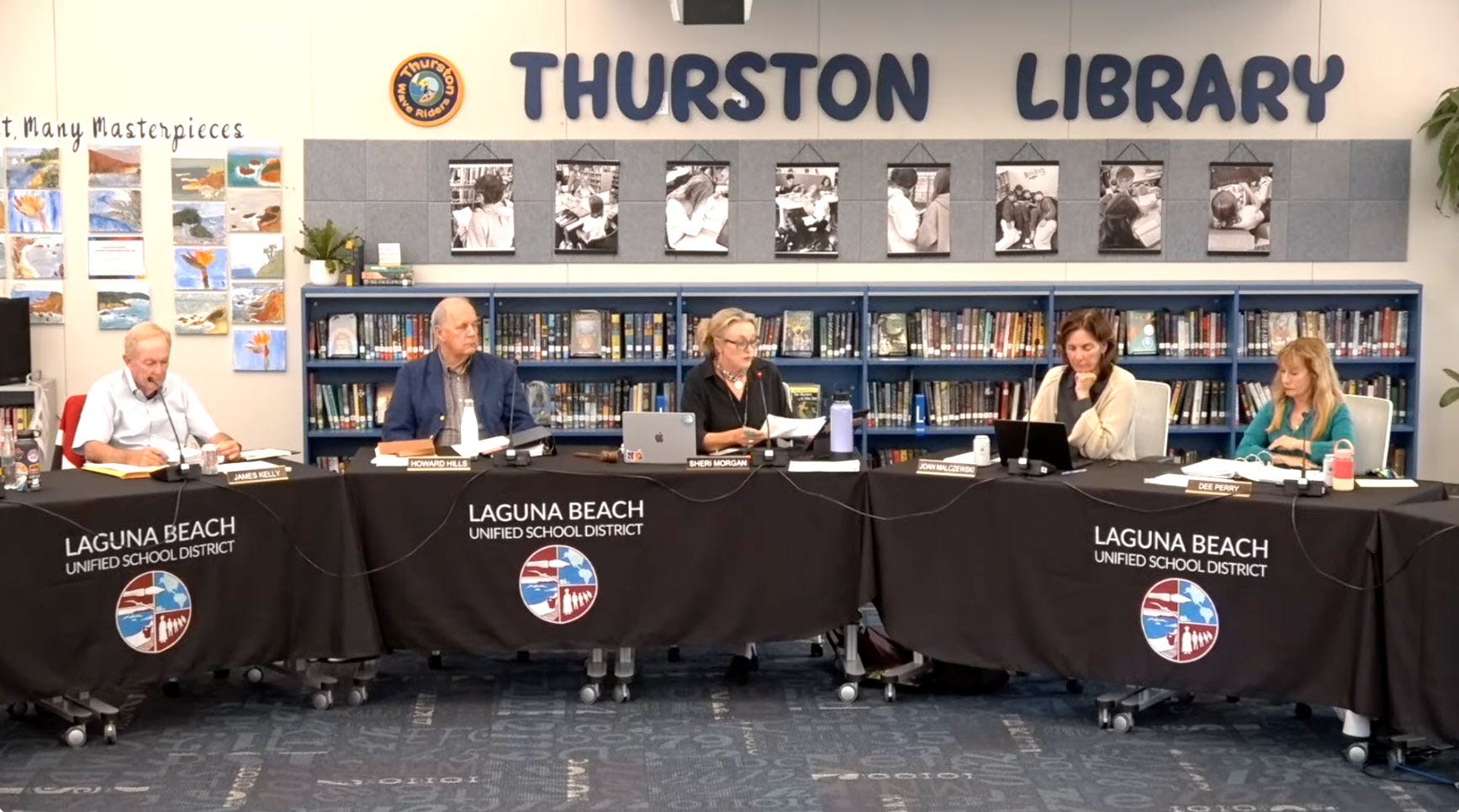
The board’s authority comes from what happens during meetings: the agenda, public questions, motions, and recorded votes. This is where direction is set, and responsibility should stay.
When a board member starts treating governance as their own storyline, the district gets pulled onto a second track. Instead of doing the work through the meeting process, we get a separate effort to guide public perception: who is credible, who “discovered” what, what last year really meant, and what people should conclude. That might be satisfying for the person doing it, but it is corrosive to the institution because it keeps dragging everyone back to relitigate issues that have been addressed.
This is why the distinction is important. Board members do have free speech, but holding office means they must protect the integrity of the governance process. They need to be clear about when they are speaking for themselves and when they are speaking for the board. LBUSD’s bylaw on public statements makes this clear: board members should know their statements might be seen as representing the board, so they must label personal views as their own, not as the board’s position.
When a board member uses paid ads to keep district conflicts going, it blurs the line between personal opinion and board work. This keeps the community focused on old disagreements instead of moving forward.
Accountability does not need a superfluous story. Real oversight means asking clear questions about policy and results, following up over time, and using formal steps the public can see, such as making requests through the superintendent, properly bringing items forward, and making decisions by vote.
It is also unfair when a board member takes conflicts outside meetings and spreads them through paid ads in local papers. Staff cannot respond publicly to a board member’s one-sided version of events as they can to a public comment. This leaves the district managing public perception instead of focusing on work that helps teachers and students. Meetings then become more about fixing the latest version of the past than making decisions.
If there are real concerns, there is a clear and professional way to address them: bring them to the meeting, put them on the record, request a formal report, propose a policy change if needed, and vote. If a claim is important, it should be tested openly through the board’s process, not pushed through a separate story that the institution cannot properly answer.
I do not expect the board to be perfect. What matters is making progress, making clear decisions, and a board that uses its authority in public, through the right process, with measurable results.