

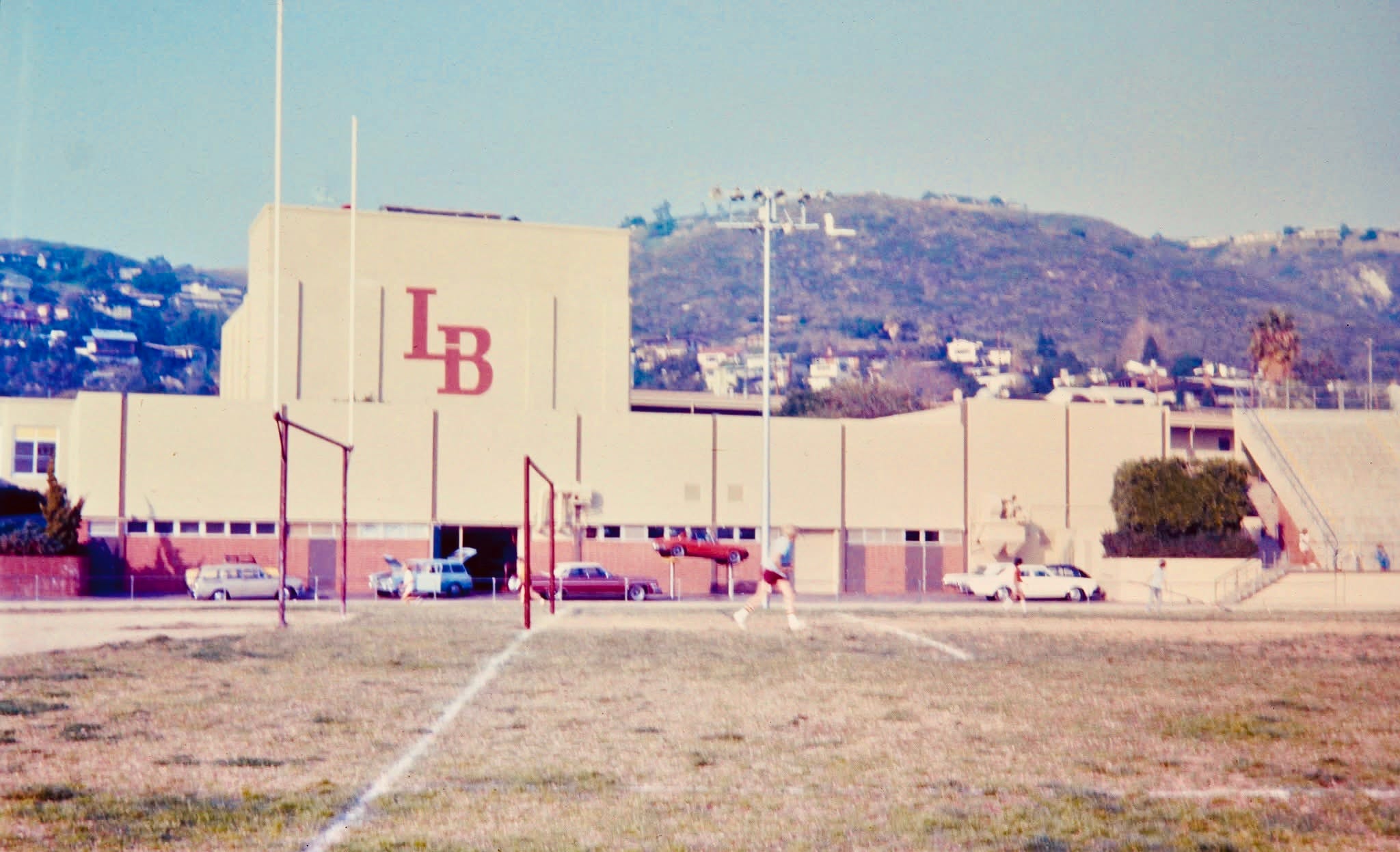
The Laguna Beach school board voted 5-0 at the July 9, 2026 meeting to place a school facilities bond on the November 2026 ballot, giving the community the final say on whether to continue investing in local school campuses without increasing the current tax rate.
As a young parent in this district, I feel this one is personal to me.
Much of what I have shared over the last few months has been about governance, transparency, legal bills, closed sessions, public faith, board dynamics, and other issues that turn a school board meeting into a local endurance sport. Still, this particular question goes beyond the latest controversy because it is about the buildings our kids walk into every morning and the kind of district we are choosing to leave them in.
The measure will authorize up to $83 million in general obligation bonds for school facility repairs and upgrades, including aging classrooms, science labs, career technical education facilities, roofs, plumbing, electrical systems, safety systems, and other infrastructure needs identified through the district’s facilities planning process. The tax rate is $8.85 per $100,000 of assessed value, which extends the current rate rather than increasing it.
For me, that is one of the most important parts of this proposal. The measure asks voters to maintain the existing school bond tax rate, not raise it, so the community can continue investing in school facilities at the same rate local property owners are already paying.
The last time this went to a vote, in 2001, Laguna’s facilities bond was approved with 80.3% voter support, helped fund school improvements many current families are still benefiting from, and is scheduled to expire in 2028.
Many of us raising young kids in Laguna today benefit from decisions made by those who came before us, including residents whose children may be grown, residents who never had children in the district, and families who believed strong public schools make a community worth investing in.
They made a small annual investment that helped shape the campuses our children use now.
Now we must decide whether we are willing to preserve that same small investment for today’s students and those who come next.
Some people will be cautious about any school bond, especially when public faith has been strained. The district has not been very transparent at every turn. Still, this proposal should feel more reassuring because it includes guardrails that are more concrete than a general promise to improve schools.
The bond language includes a specific project list, annual independent financial and performance audits, and an independent citizens’ oversight committee composed of residents to review whether bond dollars are spent on the facilities projects that voters approved. The district’s resolution also says bond funds cannot be used for administrator salaries, pensions, or regular operating expenses, which means the money is tied to physical school improvements rather than absorbed into the district’s general budget.
For voters who remember the 2001 bond as a successful investment that many current families still benefit from, this proposal feels like an extension of that same community responsibility, with better-defined public-facing expectations about what gets built, how the money is tracked, and who oversees the process on taxpayers’ behalf.
That should be reassuring.
It does not mean the public should stop asking questions, but it still does mean that voters are being asked to consider a bond with a defined purpose, a list of tangible projects, and accountability requirements that offer more than “trust us” as the plan.
Supporting school facilities does not require anyone to ignore recent concerns about district leadership or board governance.
People may want stronger oversight and still recognize that aging roofs, pipes, electrical systems, classrooms, labs, accessibility needs, and safety infrastructure must be addressed.
People can be frustrated by the board and still believe students deserve safe, modern, well-maintained schools.
People can disagree on politics, personalities, and priorities but still find common ground in the basic idea that a community should care for the places where its children learn.
For young families, this is about the schools our kids are growing up in right now. For longtime residents, this is about protecting the quality of a district they helped build. For homeowners, this is about maintaining one of the civic assets that increases property values and supports community stability. For people without children in the district, this is about whether Laguna Beach remains the kind of town that treats public education as a shared responsibility.
There are fair questions voters should ask between now and November.
Which projects come first? How will the district publicly track progress? How will costs be controlled? Who will serve on the oversight committee? How will the district ensure urgent infrastructure needs are prioritized over shinier wishlist items that often arrive with glossy renderings and suspiciously perfect trees?
At the same time, I do not want cynicism to become a reason to stop upkeep of the schools our kids rely on every day. Laguna Beach has exceptional schools because previous generations invested in and protected them, and understood that even a small district with a strong reputation must keep up with aging facilities, changing safety standards, modern instruction, science labs, technology needs, and the wear and tear that comes with buildings full of children.
Excellence does not maintain itself just because we live somewhere beautiful.
The Board put the question to voters. The community will now have time to read the measure, understand the costs, ask hard questions, and decide whether continuing the current tax rate is the right investment for Laguna Beach.
For me, as a parent, this comes down to a simple belief: our kids should inherit schools that were cared for as thoughtfully as the schools we inherited from the families before us.
Laguna benefited from the last generation’s investment.
Now Laguna gets to decide what we pass on.
More reading on school bonds


A Public Record for Laguna Schools provides independent, community-focused coverage of LBUSD to help make district decisions, public records, board actions, and issues easier to follow. If you value this work, becoming a paid subscriber or patron helps make it sustainable by covering the research, writing, and platform costs that keep this information accessible to everyone. I am deeply grateful to anyone who reads, shares, subscribes, or supports this work in any way.
“Excellence does not maintain itself just because we live somewhere beautiful.” Well said! We’re all in for the bond. For future generations of students and our future property values.